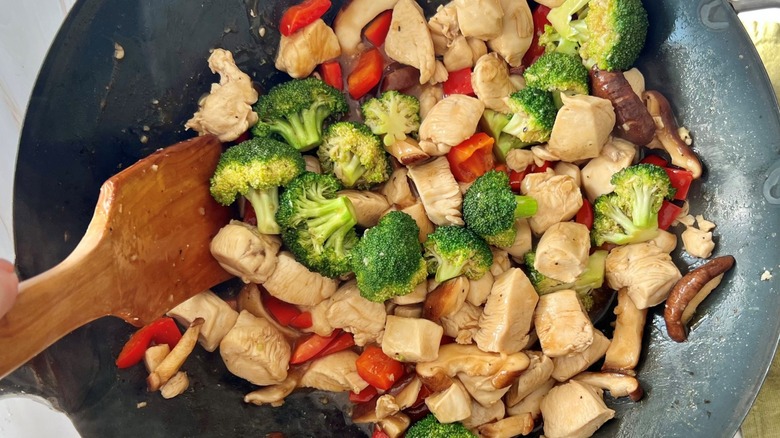
In the vibrant tapestry of Chinese-American cuisine, certain dishes emerge not from ancient traditions, but from a captivating blend of cultural adaptation, culinary ingenuity, and local tastes. One such enigmatic creation is chicken almond ding. Often known as almond boneless chicken or simply almond chicken, this dish holds a special place in the hearts (and stomachs) of many, particularly in specific Midwestern locales. Its roots are as mysterious as its appeal is undeniable, offering a delightful interplay of crispy textures, savory-sweet flavors, and the comforting crunch of toasted almonds.
The very name “ding” is a playful nod to the Cantonese term “jaht guy ding,” which roughly translates to “diced chicken.” Far from a simple stir-fry, chicken almond ding embodies the spirit of innovation, transforming humble ingredients like chicken and almonds into a restaurant favorite that continues to intrigue and satisfy diners across generations. But what exactly defines this unique dish, and how did it come to carve out such a distinct identity?
What Exactly is Chicken Almond Ding? Unpacking a Culinary Enigma
At its core, chicken almond ding is a testament to the magic that happens when simple components are elevated through thoughtful preparation. Imagine succulent pieces of boneless chicken, lightly battered and fried to a perfect golden crispness. This isn't just any fried chicken; it's designed to provide a satisfying crunch that gives way to tender, juicy meat. This crispy foundation is then enrobed in a luscious, often sweet and slightly sticky sauce, creating a harmonious balance of savory and sweet notes that adhere to every morsel.
The dish reaches its zenith with the generous scattering of freshly sliced, often toasted almonds. These aren't merely a garnish; they are an integral component, contributing a distinctive nutty flavor and an essential textural contrast. The interplay between the crunchy coating, the tender chicken, the clinging sauce, and the toasty almonds creates a symphony of textures and flavors that is both comforting and exciting. It's a dish that beckons for another bite, a perfect example of how distinct elements can combine to form something truly greater than the sum of its parts. For those who appreciate this delicate balance, you might find more insights into its irresistible nature by reading Crispy, Nutty, and Sweet: The Irresistible Charm of Chicken Almond Ding.
While some interpretations lean into a stir-fry style, incorporating vegetables like water chestnuts, mushrooms, and bamboo shoots cooked in butter with the almonds, the most celebrated versions often emphasize the fried chicken and sauce combination. The common thread, however, remains the unique nutty flavor imparted by butter-toasted almonds, which permeates the entire dish and truly defines its character.
The Shrouded Origins: A Tale of Culinary Adaptation and Innovation
Unlike many traditional Chinese dishes with clear historical lineages, the precise genesis of chicken almond ding remains shrouded in delightful mystery. This ambiguity, however, only adds to its charm, painting a picture of culinary evolution driven by necessity, creativity, and the desire to cater to new palates. Several theories attempt to explain its intriguing backstory:
- Cantonese Immigrant Adaptation: One prominent theory suggests that Cantonese immigrants, upon arriving in the United States, skillfully adapted their traditional cooking methods to suit American tastes and available ingredients. This led to the creation of hybrid dishes like chicken almond ding, which offered familiar flavors with an appealing new twist.
- The Detroit Innovation: A popular narrative points to Detroit's vibrant Chinatown as a potential birthplace. Here, a resourceful chef is believed to have conceived the idea of coating fried chicken in a rich gravy-like sauce and topping it with chopped nuts, birthing what would become a local legend.
- Ohio's Cashew Connection: Another theory posits that Chinese restaurants in Ohio began serving chicken almond ding to mimic the burgeoning popularity of cashew chicken entrées, offering a similar concept with a different nut, thus carving out its own niche.
- The Accidental Masterpiece: Perhaps the most whimsical theory suggests an entirely accidental origin – a careless cook spilling almonds into a fryer, leading to a serendipitous discovery that proved delicious enough to replicate.
Regardless of its exact birthplace, what's clear is that chicken almond ding is a quintessential Chinese-American creation. It's a dish born from the fusion of cultures, a testament to the dynamism and adaptability of immigrant cuisine, rather than a direct transplant from China. This unique origin story is part of what makes it so fascinating to explore, revealing how food traditions evolve and transform in new environments.
Regional Reverence: Detroit, Columbus, and Beyond
Despite its mysterious origins, chicken almond ding has firmly established itself as a culinary cornerstone in specific American cities. Nowhere is this more apparent than in Detroit, Michigan, and Columbus, Ohio, where it's not just a menu item but a beloved local specialty. In these cities, you'd be hard-pressed to find a Chinese restaurant that doesn't proudly feature it, while its presence remains largely obscure in other parts of the country. This regional concentration speaks volumes about its cultural integration into local food scenes, becoming a comfort food staple passed down through generations.
However, even within these strongholds and beyond, the dish is far from monolithic. Culinary creativity has led to several fascinating regional variations, each adding its own unique spin:
- Detroit-Style: Often considered the archetype, Detroit's version typically features extra crispy, double-fried chicken, ensuring maximum crunch. It's then generously drenched in a thick, rich, often savory gravy and adorned with an abundance of almonds, creating a hearty and satisfying experience.
- Columbus-Style: In contrast, Columbus-style tends to favor a sweeter sauce profile. It also frequently incorporates a variety of vegetables such as celery, bean sprouts, and water chestnuts, adding freshness, texture, and a lighter balance to the dish.
- Midwestern Nuances: Beyond these two major hubs, other Midwestern interpretations display their own preferences. Some versions are notably saucier, with the chicken swimming in its flavorful coating, while others prefer a drier preparation, offering the sauce on the side for diners to control their desired level of coating.
- West Coast Interpretations: While less common, West Coast chefs have been known to experiment, sometimes opting for unconventional dipping sauces like plum sauce, sweet chili, or duck sauce, moving further from the traditional gravy or sweet sauce.
- Nutty Alternatives: While almonds are the namesake, chefs occasionally get creative with alternative nuts, substituting or adding cashews, peanuts, pine nuts, or even pistachios, each offering a slightly different flavor and texture profile.
These localized tweaks underscore the dynamic nature of Chinese-American cuisine. They demonstrate how a core concept can be adapted and reinterpreted, allowing chefs to express their creativity while still retaining the fundamental appeal of juicy fried chicken, a flavorful sauce, and the satisfying crunch of nuts. To delve deeper into its identity, consider exploring What is Chicken Almond Ding? Unpacking a Chinese-American Classic.
Beyond the Fryer: Exploring Preparation and Flavor Profiles
The journey to creating a perfect plate of chicken almond ding involves several key steps, each contributing to its distinctive taste and texture. The foundation often begins with the chicken itself. Typically, boneless breast meat is cut into bite-sized cubes, or occasionally bone-in parts like thighs are used for a richer flavor.
The Marinade: A crucial first step is marinating the chicken. A common marinade blend includes soy sauce for umami, an egg white for tenderness and to help the batter adhere, cornstarch to create a protective coating and aid in crispiness, and sometimes aromatics like garlic, ginger, and a touch of sesame oil for added depth. This marinade can soak into the chicken anywhere from an hour to overnight, ensuring maximum flavor and moisture retention.
The Fry: After marinating, the chicken is coated in a light batter and fried until golden brown and irresistibly crispy. Some Detroit-style recipes call for a double-fry, ensuring an extra-crunchy exterior that stands up to the sauce. Achieving this crispiness is paramount, as it provides the essential textural contrast against the tender interior.
The Ding Sauce: The heart of the dish, the "ding sauce," is where much of the magic happens. While variations exist, a classic sauce often features toasted almonds (frequently toasted in butter to amplify their nutty essence), butter, and sugar, creating a sweet, sticky, and deeply flavorful coating. This sauce can be quite versatile, sometimes used not just for chicken but also for shrimp, tofu, or stir-fried vegetables, showcasing its universal appeal. In stir-fry versions, the vegetables—such as water chestnuts, mushrooms, and bamboo shoots—are cooked with the chicken and butter-toasted almond slivers, allowing the nutty flavor to infuse every component.
Flavor Profile and Serving: The resulting dish boasts a complex flavor profile: the savory depth of the chicken and soy, the sweetness of the sauce, the earthy nuttiness of the almonds, and often a subtle umami finish. Texturally, it's a delightful dance between the crispy exterior, the juicy interior, and the satisfying crunch of the almonds and any added vegetables. Chicken almond ding is traditionally served over a bed of fluffy steamed white rice, allowing the sauce to meld beautifully with the grains, creating a hearty and balanced meal that truly satisfies.
From its enigmatic beginnings to its cherished status in regional American cuisine, chicken almond ding stands as a fascinating example of culinary fusion. It’s more than just a dish; it’s a story of adaptation, innovation, and the enduring power of comfort food. Whether you prefer the thick, savory gravy of Detroit or the sweeter, veggie-laden versions of Columbus, its core appeal remains undeniable: crispy, tender chicken blanketed in a rich sauce and crowned with crunchy nuts. It's a testament to the dynamic spirit of Chinese-American kitchens, continuously evolving and delighting palates with its unique and utterly delicious charm.
