In the vibrant tapestry of Chinese-American cuisine, certain dishes stand out not just for their flavors but for their intriguing histories and regional loyalties. Among these, chicken almond ding carves a unique niche. More than just a simple chicken dish, it's a culinary enigma, a beloved classic that marries crispy textures with sweet-savory notes and the unmistakable crunch of almonds. Whether you've encountered it as a staple in Detroit or Columbus, or are simply curious about this distinctive offering, unpacking chicken almond ding reveals a fascinating journey of adaptation, innovation, and deliciousness.
What Exactly is Chicken Almond Ding? Defining a Culinary Enigma
At its heart, chicken almond ding is a popular Chinese-American creation, a name playfully derived from the Cantonese "jaht guy ding," which loosely translates to "diced chicken with nuts." However, its identity is surprisingly dual, often manifesting in two primary forms, each beloved in its own right.
The most widely recognized rendition, particularly in the Midwest, features boneless chunks of chicken enveloped in a light, often subtly seasoned batter. These morsels are then deep-fried to a perfect golden brown, ensuring an irresistible crispness. The fried chicken is subsequently coated in a rich, sweet, and sticky sauce – often soy or gravy-based, offering a delightful umami depth – and generously topped with slivered or chopped almonds, usually toasted to enhance their nutty aroma. This version is a textural masterpiece: the satisfying crunch of the exterior, the tender juiciness of the chicken within, and the added pop from the nuts create a symphony of sensations that truly make this chicken almond ding dish moreish.
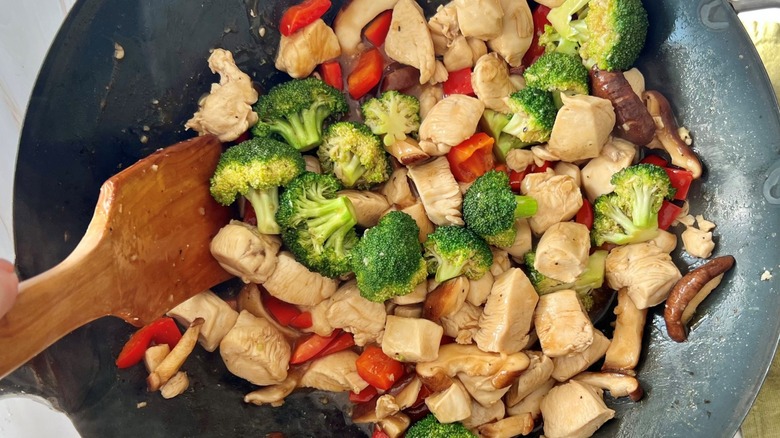
Alternatively, another interpretation positions chicken almond ding as a stir-fry. In this form, marinated chicken pieces are quickly cooked with a colorful array of vegetables like water chestnuts, mushrooms, bamboo shoots, and often celery or bean sprouts. Here, the almonds are frequently toasted in butter and integrated directly into the stir-fry, contributing a pervasive nutty flavor throughout the entire dish, enhanced by a lighter, often butter-based, "ding sauce" that binds the ingredients. While distinct in preparation, both versions share the fundamental combination of chicken and almonds, elevated into a restaurant favorite.
The Mysterious Origins and Regional Roots
Like many iconic Chinese-American dishes, the precise origins of chicken almond ding are shrouded in a bit of mystery, reflecting the broader narrative of culinary fusion and adaptation. This obscurity, however, only adds to its charm, inviting us to ponder the creativity of immigrant chefs who shaped a new cuisine for a new audience. For a deeper dive into its background, consider reading The Mysterious Roots and Regional Twists of Chicken Almond Ding.
Several theories attempt to explain its genesis:
- Cantonese Adaptation: The most common belief posits that Cantonese immigrants, aiming to appeal to American palates, adapted traditional Chinese cooking methods. They incorporated ingredients and flavor profiles that resonated with their new clientele, leading to dishes like chicken almond ding.
- Detroit's Innovation: One popular narrative credits a resourceful chef in Detroit’s vibrant Chinatown. Faced with a desire to create a hearty, comforting dish, this chef is said to have combined fried chicken with a savory gravy and chopped nuts, striking a chord with the local community.
- Ohio's Cashew Inspiration: Another theory suggests that Chinese restaurants in Ohio developed chicken almond ding to parallel the widespread popularity of cashew chicken entrées, substituting almonds for cashews to create a distinct yet familiar offering.
- Accidental Discovery: A more whimsical, though less verifiable, story suggests an accidental culinary triumph – a careless cook spilling almonds into a fryer, leading to a serendipitous discovery of a delightful flavor combination.
Regardless of its exact birthplace, what is undeniable is the dish's profound cultural rooting in specific regions. Chicken almond ding has become deeply entrenched in the local food cultures of cities like Detroit and Columbus. In these areas, it's a celebrated specialty, a menu highlight in Chinese restaurants. Yet, strangely, venture outside these culinary strongholds, and the dish remains relatively obscure in many other parts of America. This regional phenomenon highlights how local tastes and historical circumstances can elevate a dish to iconic status within a specific community while keeping it a hidden gem elsewhere.
A Tale of Two Dishes: Preparation and Key Ingredients
Understanding chicken almond ding truly requires appreciating its two main culinary expressions. While both are delicious, their preparation and ingredient focus lead to distinctly different dining experiences.
The Fried Chicken Almond Ding Approach: Crispy, Sweet, and Saucy
This version, often associated with the Midwestern style, is all about texture and rich flavor. The process typically begins with:
- Chicken Preparation: Boneless chicken (usually breast or thigh meat) is cut into bite-sized chunks. It's then lightly battered – often with a mix of flour, cornstarch, and seasonings – before being deep-fried until it achieves a perfect golden-brown crispness. Some Detroit-style recipes even call for a double-fry to achieve extra crunch.
- The Signature Sauce: This is where much of the magic happens. The sauce is typically a thick, sweet-and-savory concoction. Common bases include soy sauce, sugar, vinegar, ginger, garlic, and often chicken broth or a brown gravy, thickened with cornstarch. The aim is a glossy, sticky coating that clings to every piece of chicken.
- Almonds: Sliced almonds are almost always used. They are often toasted separately to intensify their nutty flavor and then generously sprinkled over the sauced chicken just before serving. This ensures maximum crunch and visual appeal.
- Serving: Typically served hot, piled high over a bed of fluffy steamed white rice, allowing the sauce to meld with the grains.
The Stir-Fry Almond Ding Approach: Nutty, Fresh, and Aromatic
The stir-fry rendition, while less common as the "ding" variant, offers a fresher, more vegetable-forward profile:
- Chicken Preparation: Chicken, often cubed or thinly sliced, is marinated. A classic marinade might include soy sauce, an egg white (for tenderness), cornstarch (to create a silky texture), and aromatics like minced garlic, ginger, and a dash of sesame oil. This marinade can sit for an hour or even overnight.
- Vegetables Galore: This style embraces a wider variety of fresh and crunchy vegetables. Beyond the classic water chestnuts and bamboo shoots, you might find mushrooms, celery, bean sprouts, and even carrots or snow peas. These are stir-fried until tender-crisp.
- Cooking Method and Almond Integration: The marinated chicken and vegetables are typically stir-fried quickly, often in butter, which contributes a rich, nutty foundation. Almond slivers, frequently toasted in butter, are integrated directly into the stir-fry mix, infusing the entire dish with their distinctive flavor.
- The Lighter Sauce: The sauce for this version tends to be lighter, designed to complement rather than dominate. It might be a simple blend of chicken broth, soy sauce, a touch of sugar, and sesame oil, thickened slightly. Some recipes use a "ding sauce" made primarily from butter, sugar, and toasted almonds, designed to coat and flavor.
- Serving: Like its fried counterpart, it's usually served over steamed white rice, creating a hearty and balanced meal.
Regional Variations: A Culinary Canvas
The beauty of a dish like chicken almond ding lies in its adaptability. Across different restaurants and regions, chefs have put their unique spin on the classic, creating fascinating variations that highlight local preferences and culinary creativity. This constant evolution is part of the Crispy, Nutty, and Sweet: The Irresistible Charm of Chicken Almond Ding.
- Detroit-Style Dominance: The Detroit version is famously characterized by its commitment to crispiness. Often featuring extra-crispy, sometimes double-fried chicken, it's typically drenched in a thick, savory gravy, generously laden with a plethora of almonds.
- Columbus's Sweeter Side: In Columbus, Ohio, the dish often leans towards a sweeter sauce profile. This version also frequently incorporates a wider array of vegetables, such as celery, bean sprouts, and water chestnuts, adding both texture and freshness.
- Midwestern Nuances: Even within the broader Midwest, you'll find differences. Some establishments serve a very saucy chicken almond ding, where the chicken is swimming in its flavorful coating, while others prefer a drier preparation, sometimes offering the sauce on the side for diners to add to their liking.
- West Coast Interpretations: While less common, West Coast interpretations might surprise diners with unconventional dipping sauces. Plum sauce, sweet chili sauce, or even duck sauce can appear as alternatives to the traditional gravy-like coating, offering a different flavor dimension.
- Nut Alternatives: While almonds are quintessential, some creative chefs experiment with other nuts. Cashews, peanuts, pine nuts, or even pistachios can occasionally make an appearance, offering slightly different textures and flavor nuances.
These localized tweaks underscore the dynamic nature of Chinese-American cuisine. Each variation is a testament to the dish's core appeal – the delectable combination of succulent chicken, flavorful sauce, and crunchy nuts – while simultaneously showcasing the diverse culinary landscape of America.
Why We Love Chicken Almond Ding: The Enduring Appeal
The enduring popularity of chicken almond ding, particularly in its heartland cities, is no accident. It’s a dish that masterfully hits multiple pleasure points, making it incredibly satisfying and memorable. The harmonious blend of textures is a significant draw: the crisp exterior of the fried chicken, yielding to tender, juicy meat, all complemented by the delightful crunch of toasted almonds. This textural interplay keeps every bite interesting and engaging.
Equally important is the balance of flavors. Whether it's the sweet and savory sauce of the fried version or the nutty, aromatic profile of the stir-fry, the dish provides a comforting complexity. It’s familiar yet distinct, a perfect example of comfort food that transcends simple categorizations. For the home cook, recreating chicken almond ding offers a rewarding challenge. You can experiment with different nuts, adjust the sweetness or savoriness of the sauce to your preference, or even introduce your favorite vegetables to the stir-fry variant. It pairs beautifully with simple steamed rice, allowing its flavors to shine, or alongside a light side of stir-fried greens to complete a balanced meal.
Conclusion
Chicken almond ding stands as a delicious emblem of Chinese-American culinary innovation. From its ambiguous origins rooted in immigrant ingenuity to its celebrated status in specific regions, it tells a story of adaptation, creativity, and the power of food to forge cultural connections. Whether you prefer the crispy, saucy fried chicken version or the lighter, nutty stir-fry, the dish’s core appeal—tender chicken, rich sauce, and crunchy almonds—remains irresistible. It's a testament to how simple ingredients can be transformed into a beloved classic, proving that sometimes, the most intriguing dishes are those with a delightful mystery at their heart.
